
WHITE TIE

WHITE TIE
White tie is the most formal dress code for evening wear. To be considered dressed in white tie attire one must wear either a tuxedo with tails or a ball gown.

Tailcoat
Tailcoat - Black with silk-satin lapels tapered sharply at the front rear vent.
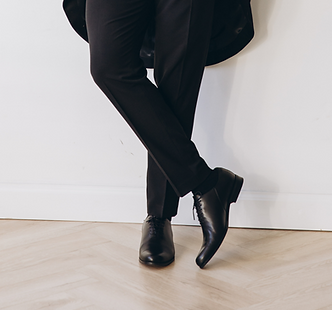
Trousers
Trousers - Same material as jacket; side braid matches lapel face.

Shirt-Waistcoat-Tie
Shirt - White winged collar double (aka French) cuffs.
Waistcoat - White, heavy silk or cotton pique. V- or U-shaped, single or double breasted.
Tie - White pique bow.

Jewelry-Pocket Square-Gloves
Jewelry - Onyx or pearl cufflinks and studs, NO gold (excluding wedding bands), NO wristwatch.
Pocket Square - White silk pocket square or handkerchief; long silk scarf.
Gloves - White leather or cloth carried in the left hand.

Ball Gown
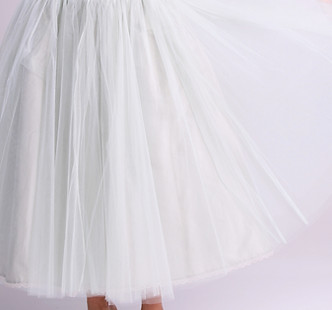
Ball gown - Full-skirted gown reaching the floor (think bell shape) and tight bodice.
Undergarment
Undergarment - Crinoline, hoop or bustle underneath the dress may be used to maintain the dress' shape.

Gloves
Gloves - Should be worn at opera length (end after the elbow) and removed when eating.

Outer Garment-Handbag
Outer Garment - Stole, cape (shorter garment), cloak (longer garment), or opera coat (a floor-length loose-fitting coat).
Handbag - Clutch style or small evening bag.

BLACK TIE

BLACK TIE
When invited to a black tie event one must wear a tuxedo or a floor length gown.

Jacket
Traditional black wool; with no vent. Tux cuts and styles change.

Shirt-Waistcoat
Shirt - Traditional-white, turndown collar with French cuffs.
Waistcoat - The cummerbund should be silk and match the jacket facings.

Tie-Jewelry-Accessories
Tie - Traditional-bow tie; Modern-four-hand (school boy) tie.
Jewelry - Onyx, pearl, gold, etc., cufflinks or studs, and wristwatch.
Accessories - White silk pocket square.

Socks-Shoes
Socks - Black silk.
Shoes - Black shoes patent or polished leather oxfords.

Gown
The gown should be floor length.

Shoes
Traditionally a formal gown should conceal shoes.

Jewelry
Presently, necklaces are not worn with most gowns, as the gown acts as the focal point.

Hand Bag
Clutch - Strapless purse carried in the hand.

BLACK
TIE
OPTIONAL
BLACK TIE OPTIONAL
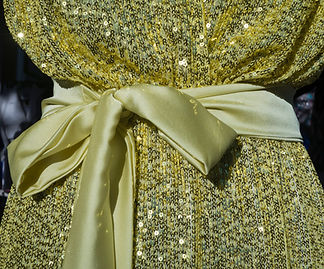
Use of the word "optional" indicates that one may wear a tuxedo, a dark suit or a military uniform. Gowns can be floor or tea length. Cocktail attire may also be worn.

Tuxedo
Tuxedo - If you choose to wear a tux, it should not have tails.

Suit
Dark colored suit worn with a tie.

Uniform
Uniforms worn by military, police and fire personnel may be used in lieu of a tuxedo for black tie affairs.
.jpg)
Little Black Dress
The dress, a black one-piece garment, is an important mainstay of any woman's wardrobe. It is perfect for wearing to most functions.

Tea Length
A tea length dress hem line falls between the knee and ankle, usually stoping mid-calf.

Cocktail Attire
Little black dress, beaded dress, or dressy separates.
THE
SUIT

THE SUIT
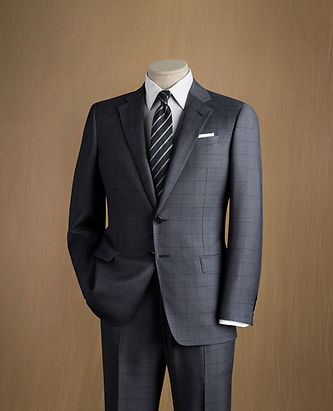
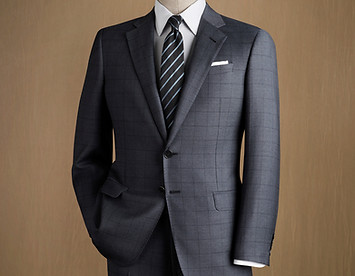
The suit is one of the most versatile pieces of any wardrobe. Wear it with a tie for a business meeting. Lose the tie, unbutton the top button and you have an outfit perfect for a cocktail party. Replace the shirt with a polo for a smart casual look. However you wear it, the key to any suit is the correct fit.

Shoulders
The suit shoulder should end at the body’s shoulder.

Buttons
The top button of a two-button suit or middle button of a three-button suit should always be buttoned. The last button of a three-button suit should be lower than your belly button.

Jacket Fit
A flat hand should slip easily into the suit under the lapels (when the top and middle buttons are fastened). If your fist fits in the same area without pulling the button, the suit is too big.
Jacket Length
When placing your arms at your sides, the knuckles should be even with the bottom of your jacket.

Cuffs
Shirt cuffs should be visible between a quarter and a half-inch.

Break
A break refers to how the bottom leg of a pant is positioned and falls. Breaks are a matter of personal style and the shoes being worn.

Tie - Pocket Square
A tie and pocket square should not directly match. Complementary coordinating colors, patterns, and textures should be used when wearing a tie and pocket square.

BUSINESS CASUAL

BUSINESS CASUAL
Business casual attire at work has become mainstream, especially during the summer months. The key is to dress casually while looking professional.

Blazer or Sports Coat
A blazer is less formal than a suit jacket. It is a solid color jacket designed to be worn without a matching pair of pants.
A sport coat is a patterned jacket that coordinates with trousers that are not made of the same fabric or have the same pattern.

Pants
Khaki pants made from heavyweight twilled cotton cloth can be worn for business casual occasions.
Chino pants are usually made from lighter weight twilled cotton cloth. They are dressier than khakis, but also a good business casual look.
Dark pants are a staple in business casual attire.
Jeans are appropriate depending on the business environment.

Shirt
A polo is a short-sleeved cotton shirt with a collar and several buttons at the neck. It is a solid business casual look.
A dress shirt with a collar, long sleeves, and buttons down the front are a staple in the business casual wardrobe.

Skirts and Dresses
The keys to business casual skirts and dresses are to make sure they are not too short and tight. Avoid loud patterns, sequins and shiny materials, which are more appreciate for black tie optional events.

Shoes
Business casual shoes include oxfords, classic loafers, Chelsea boots, hybrid dress sneakers, pumps, flats, and medium heels. The wearing of sneakers is dependent on the office environment or event.